
Perimenopause weight gain: why it happens and what helps
Perimenopause weight gain is one of the most common and most frustrating changes women notice during the hormonal transition, and it is driven by biology, not willpower. Declining oestrogen shifts where the body stores fat, while changes in cortisol, insulin sensitivity and sleep compound the effect. This guide explains why it happens and the approaches that genuinely help, with the emphasis on supporting your health and strength rather than chasing a number on the scale.
The first thing to know is that you are not imagining it, and it is not a failure of effort. Once you understand what is driving the change, you can focus on the things that actually support your body through this stage.
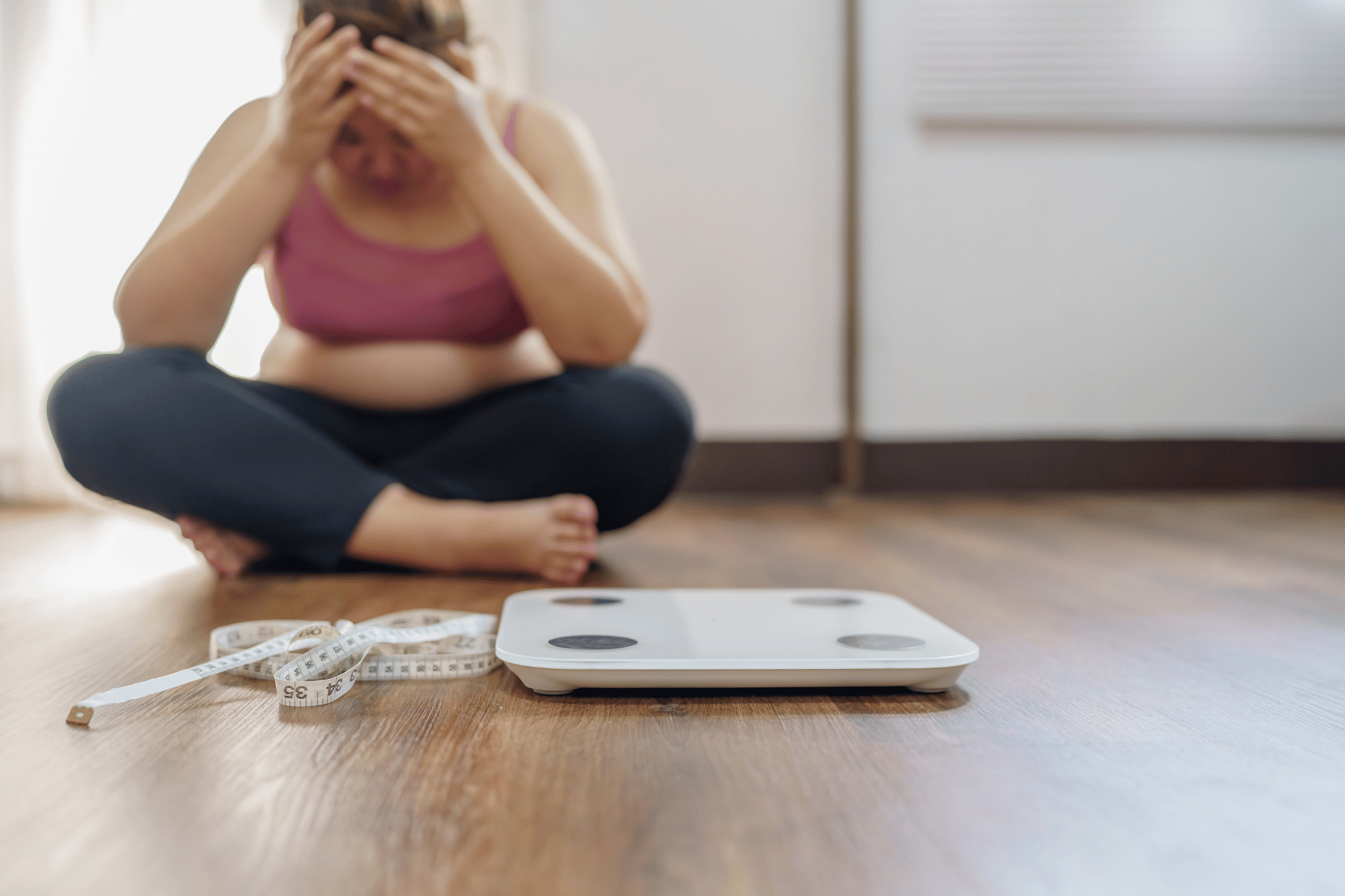
Why body composition changes in perimenopause
In plain terms: the weight and body-composition changes of perimenopause, particularly a shift toward more fat around the abdomen, happen as oestrogen and progesterone fluctuate and decline. They are not simply a matter of eating more or moving less. They are a physiological response to hormonal change that affects metabolism, fat storage, stress hormones and insulin sensitivity at the same time. That distinction matters, because the strategies that help are different from standard weight-loss advice.
The role of oestrogen
As oestrogen declines, the body changes the way it stores fat, tending to gather it around the abdomen rather than distributing it more evenly. This is not only about appearance. Abdominal fat is metabolically active, which is part of why this stage can feel different from earlier in life.
Cortisol and stress
Perimenopause often coincides with a demanding season of life: work, family, ageing parents, and the hormonal shifts themselves. Stress raises cortisol, which can increase appetite and direct fat storage toward the middle. Poor sleep, common in perimenopause because of hot flushes or night sweats, raises cortisol further.
Insulin sensitivity
With age, the body can become less efficient at processing glucose. Combined with lower oestrogen, this can reduce insulin sensitivity, which makes the body more inclined to store fat even when little else has changed.

Nutrition: nourishing your body
The old message of “just eat less and move more” tends to backfire in perimenopause. Severe restriction can slow metabolism, increase cravings and accelerate muscle loss, which is the opposite of what helps at this stage. A more useful way to think about it is nourishment rather than deprivation. If you would like tailored guidance, a dietitian with a menopause focus can help you work out what suits your body.
Protein. Including a source of protein at meals helps preserve lean muscle, which naturally declines in perimenopause, and helps you feel satisfied. Eggs, yoghurt, fish, chicken, legumes and tofu are all good options.
Fibre. Vegetables, fruit, legumes and whole grains support digestion and gut health and help keep blood sugar steady.
Whole-food carbohydrates and healthy fats. Whole grains, sweet potato and similar foods, paired with healthy fats like avocado, olive oil and nuts, give sustained energy. There is no need to fear carbohydrates as a group.
The aim is balanced, satisfying meals that support your strength and energy, not a restrictive plan you cannot sustain.
Movement: strength for muscle and bone
If hours of cardio have not made the difference you hoped for, you are not alone, because that advice does not address what your body needs now.
Strength matters most. We naturally lose muscle as we age, and muscle supports both metabolism and everyday strength. Strength work, whether weights, resistance bands or bodyweight movements like squats and push-ups, helps preserve muscle and bone density, both of which decline as oestrogen falls. It does not need to be intense, and a physiotherapist with a menopause focus can help you start safely if you are unsure.
Cardio still has a place. Walking, cycling and swimming are excellent for heart health and stress relief. A mix of some strength work and gentler cardio tends to feel better and be more sustainable than long, punishing sessions.
Beyond the scale. Many women report feeling stronger, steadier and more confident when they train for strength, benefits that have nothing to do with a number and everything to do with how you feel in your body.

A whole-body approach
What helps is not a quick fix or a fad diet. It is consistency across a few areas: nourishing food built around protein, fibre and whole foods; movement that prioritises strength; protected sleep and managed stress; and patience with a body that is going through a genuine transition. For many women, progress comes from small, sustainable habits rather than extremes.
If weight change is distressing, or if you are noticing metabolic changes you want to understand, it is worth talking to a professional. For some that is a dietitian, for others an endocrinologist with a menopause focus, and for many a GP is the right first step. Our guide to menopause treatment and relief and our menopause support guide cover the wider picture.
Common questions
Why do I gain weight during perimenopause?
It is mainly driven by hormonal change. Declining oestrogen shifts fat storage toward the abdomen, while higher cortisol from stress and poor sleep adds to it, and reduced insulin sensitivity makes the body more inclined to store fat. It is biology, not a lack of effort.
What actually helps with perimenopause weight changes?
A combination of nourishing food, strength-focused movement, protected sleep and managed stress. Strength work to preserve muscle and bone is particularly valuable. Severe restriction tends to backfire, while small, consistent changes are more sustainable.
What kind of eating supports me through perimenopause?
Balanced meals built around protein, high-fibre foods, healthy fats and whole-grain carbohydrates. Cutting out whole food groups or eating very little usually backfires. The goal is to support muscle, steady blood sugar and keep your energy up, not to deprive yourself.
Is strength training or cardio more useful?
Strength training is especially valuable because it preserves muscle and bone, which both decline as oestrogen falls. Cardio remains good for heart health and stress relief. A blend of the two, without overdoing long high-intensity sessions, tends to feel best.
Can stress really affect my weight in perimenopause?
Yes. Higher cortisol from stress encourages fat storage around the abdomen, and poor sleep makes it worse by disrupting appetite hormones. Managing stress is a genuine part of the picture, not an afterthought.
Do I need to lose weight before starting MHT?
No. There is no clinical requirement to lose weight before starting MHT in Australia. MHT is not a weight-loss treatment, though for some women it may help with the shift of fat toward the abdomen. The decision about MHT should be based on your symptoms, health history and individual risk factors, discussed with a menopause-informed GP. Our guide to MHT in Australia covers what to expect. The Australasian Menopause Society also publishes reliable information on hormonal change and metabolic health.

Author: Menopause Resource Hub
Menopause Resource Hub connects Australian women with specialists, clinics, and support networks that truly understand perimenopause and menopause. Whether you’re looking for medical guidance, wellness support, or community, we’re here to help you find it.