
MHT in Australia: 6 Essential Facts Every Woman Should Know
MHT in Australia — Menopause Hormone Therapy, still widely referred to as HRT — is a prescription treatment that replaces the oestrogen and progesterone your body produces less of during menopause. It is the most effective evidence-based option available in Australia for managing moderate to severe menopause symptoms, including hot flushes, night sweats, sleep disruption, and mood changes.
If you’ve been searching for clarity around MHT — what it actually is, whether it’s safe, and how to access it in Australia — this guide covers all of it in plain language.
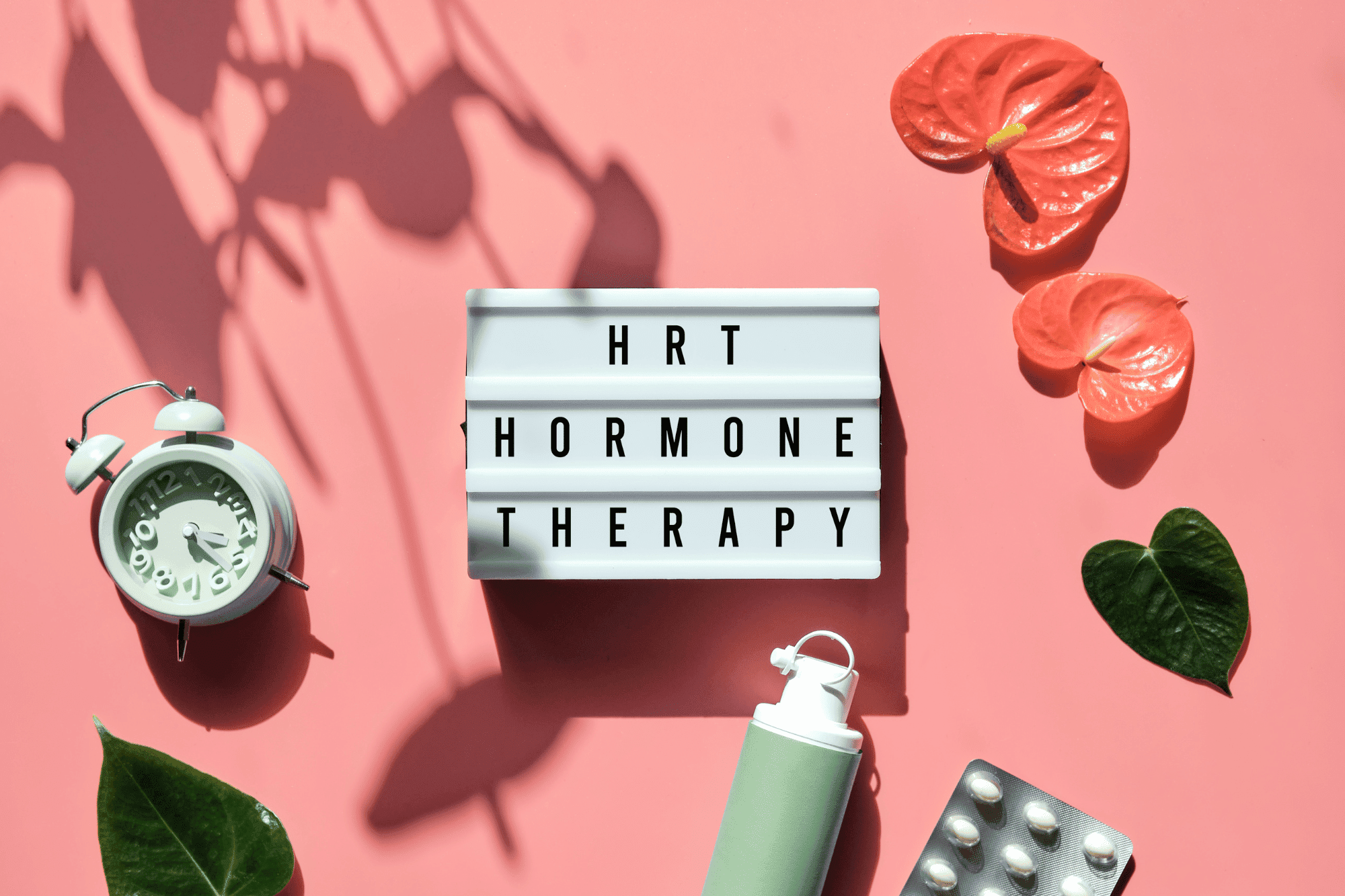
What Is MHT (or HRT)?
In plain terms: MHT in Australia is a hormone treatment prescribed by a doctor to relieve symptoms caused by falling oestrogen levels during perimenopause and menopause. It works by supplementing the hormones your ovaries are no longer producing in sufficient quantities. In Australia, “MHT” is the preferred medical term — it replaced “HRT” to more accurately reflect that the therapy manages hormonal change rather than simply replacing hormones. Both terms refer to the same treatment.
Menopause Hormone Therapy (MHT), still often called Hormone Replacement Therapy (HRT), is a treatment that supplements the body with hormones—mainly oestrogen and sometimes progestogen—that naturally decline during menopause.
The aim of MHT is simple: to relieve symptoms caused by falling hormone levels and, in some cases, to support long-term health such as bone strength.
MHT vs HRT: In Australia, “MHT” is the preferred term, but most people still search for “HRT.” Both terms describe the same therapy.
Types of MHT Available in Australia
One of the strengths of MHT is flexibility. In consultation with your doctor, you can choose a delivery method that best suits your lifestyle and medical history.
Patches
- Applied to the skin, usually changed twice a week.
- Provide a steady dose of oestrogen.
- Popular for their convenience and because they bypass the liver, which may reduce risk of blood clots.
Gels and Creams
- Applied to the skin (arms, legs, or abdomen).
- Absorbed directly into the bloodstream.
- Easy to adjust doses if symptoms change.
Tablets
- Taken orally, usually once a day.
- May combine oestrogen with progestogen.
- Suitable for women who prefer a simple daily pill.
Vaginal Oestrogen (creams, tablets, or rings)
- Acts locally in the vagina and urinary tract.
- Particularly effective for dryness, pain during sex, or urinary symptoms.
- Minimal absorption into the bloodstream, making it very safe for most women.
Explore other Menopause Treatment and Relief Options in Australia.

Benefits of MHT
MHT is widely recognised as the most effective treatment for moderate to severe menopause symptoms — the Jean Hailes for Women’s Health website has a thorough overview of the current evidence if you want to go deeper. According to the Australasian Menopause Society, around 15–20% of Australian women experience severe menopause symptoms that significantly affect their quality of life, while up to 80% experience some symptoms during the transition. Despite this, MHT remains underused — often because of outdated concerns stemming from a single 2002 study whose findings have since been substantially revised by more recent research.
Research shows that it can bring significant improvements in:
- Hot flushes and night sweats: Relief is often noticeable within weeks.
- Sleep quality: By reducing night sweats and improving mood balance.
- Vaginal health: Helps with dryness, discomfort, and urinary frequency.
- Bone strength: Reduces the risk of osteoporosis and fractures.
- Mood and wellbeing: Many women report a return of vitality and reduced irritability.
For women struggling with symptoms that interfere with work, relationships, and quality of life, MHT can be highly impactful for some women.
Risks and Considerations
No medical treatment is without risks, and MHT is no exception. It’s important to have a personalised conversation with your doctor, as risks vary depending on your age, health history, and the type of MHT you use.
Potential Risks Include:
- Breast cancer: Combined oestrogen-progestogen therapy may slightly increase risk, particularly with long-term use. Risk decreases after stopping treatment.
- Blood clots (DVT/PE): Higher with oral tablets, lower with patches or gels.
- Stroke: Risk increases slightly with age, especially for women starting MHT over age 60.
The Bottom Line:
For women under 60, or within 10 years of menopause, the benefits of MHT often outweigh the risks. Using transdermal options (patches or gels) can further reduce risks.
Who Is a Good Candidate for MHT?
MHT isn’t one-size-fits-all. Good candidates are typically women who:
- Are under 60 or within 10 years of their last period.
- Experience moderate to severe menopause symptoms affecting quality of life.
- Have no history of breast cancer, unexplained vaginal bleeding, or significant clotting disorders.
MHT may not be suitable if you’ve had:
- Breast or ovarian cancer.
- Unexplained vaginal bleeding.
- A history of blood clots, stroke, or severe liver disease.
Your doctor will review your health history, risk factors, and preferences before recommending treatment.

The Process for Getting MHT in Australia
If you think MHT might be right for you, here’s how to get started:
- Book an Appointment
Start with your GP or a women’s health specialist. Mention that you’d like to discuss menopause symptoms and treatment options. - Medical History and Tests
Your doctor will ask about your symptoms, family history, and risk factors. In some cases, blood tests or mammograms may be recommended before starting. - Choose the Right Type
Together, you’ll decide on patches, gels, tablets, or local treatments, based on your preferences and medical needs. - Regular Reviews
Once you start, your doctor will monitor your response. Reviews are typically scheduled every 6–12 months to adjust dosage and check ongoing suitability. - Prescription Access
In Australia, MHT is prescription-only. Some products are covered under the PBS (Pharmaceutical Benefits Scheme), making them more affordable.
Browse our directory for Menopause Doctors or Support Services
Common Questions About MHT
Is HRT safe?
For most women under 60, yes—when used appropriately and monitored by a doctor.
How long should I stay on MHT?
There’s no strict time limit. Many women use it for 2–5 years, but some stay on longer under medical supervision. The decision depends on your symptoms and personal risk factors.
Will MHT make me gain weight?
Menopause itself is linked to weight changes, but research shows MHT does not directly cause weight gain. It may even help reduce abdominal fat compared to no treatment.
Other questions may be answered in the guide where we discuss menopause symptoms and stages.
Finding Balance: Is MHT Right for You?
Deciding whether to start MHT can feel overwhelming, especially with conflicting headlines and opinions online. Remember: the choice is deeply personal. What matters most is how your symptoms affect your daily life and whether the potential benefits outweigh the risks for you.
The good news is that in Australia, women have access to safe, evidence-based options, supported by decades of research and clinical expertise. By partnering with your GP or a menopause specialist, you can make an informed choice and regain confidence in your health and wellbeing.
Key Takeaways
- MHT (also called HRT) is the most effective treatment for menopause symptoms.
- Options in Australia include patches, gels, tablets, and vaginal treatments.
- Benefits include relief from hot flushes, better sleep, improved vaginal health, and stronger bones.
- Risks exist but are generally low for women under 60, especially with transdermal treatments.
- Always consult your doctor for a personalised plan.
Final Word
Menopause is not the end of your vitality—it’s a new stage of life where you deserve support, clarity, and options. MHT in Australia offers a safe, effective path forward for many women. If you’re struggling with symptoms, start the conversation with your doctor today. Relief and renewal could be closer than you think.
FAQ’s
What is the difference between MHT and HRT?
In Australia, Menopause Hormone Therapy (MHT) and Hormone Replacement Therapy (HRT) mean the same thing. MHT is the updated medical term, while HRT is still widely used.
What types of MHT are available in Australia?
Options include patches, gels, tablets, and vaginal oestrogen. Your doctor will help you choose the most suitable type based on your symptoms and medical history.
Is HRT safe for women over 50?
For most women under 60, yes — when used appropriately and monitored by a doctor. The Australasian Menopause Society provides detailed guidelines on safe use for different health profiles.
How do I get a prescription for MHT in Australia?
MHT is only available by prescription. Book an appointment with your GP or a menopause specialist, who will assess your symptoms and medical history before prescribing.
Does HRT cause weight gain?
Research shows MHT does not directly cause weight gain. In fact, it may help reduce abdominal fat compared to not using hormone therapy.
How long can I stay on MHT?
Many women use MHT for 2–5 years, but some continue longer under medical supervision. The right duration depends on your symptoms and health risks.

Author: Menopause Resource Hub
Menopause Resource Hub connects Australian women with specialists, clinics, and support networks that truly understand perimenopause and menopause. Whether you’re looking for medical guidance, wellness support, or community, we’re here to help you find it.