
Pelvic floor and menopause in Melbourne: what’s happening and how to get help
Pelvic floor and menopause problems are treatable, and you do not have to live with leaking, urgency or discomfort. Pelvic floor physiotherapy is the first-line treatment for incontinence and prolapse, and it works. Melbourne has pelvic floor physios who understand the hormonal connection, and many women see significant improvement within weeks of starting treatment.
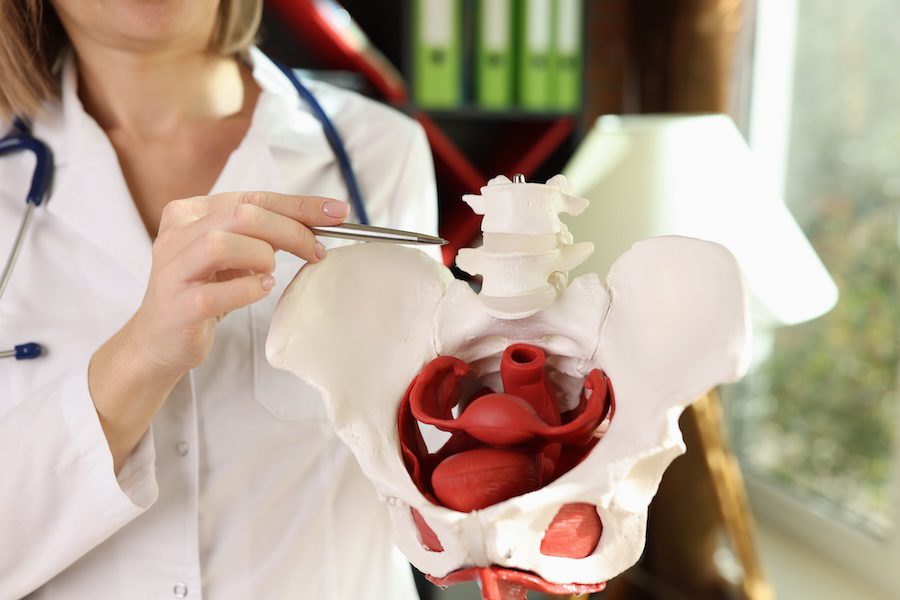
In plain terms: your pelvic floor is a hammock of muscles at the base of your pelvis that supports your bladder, uterus and bowel. During menopause, falling oestrogen weakens these muscles and thins the tissues around them, which is why symptoms like leaking, urgency and prolapse become more common, and also why treatment that addresses both muscles and hormones is so effective.
Why does menopause affect the pelvic floor?
Your pelvic floor muscles, vagina, bladder and urethra all contain oestrogen receptors. When oestrogen is abundant, these tissues stay strong, elastic and well-lubricated. As oestrogen declines, several things happen at once:
- The muscles weaken and lose tone.
- The vaginal walls, urethral lining and surrounding tissue become thinner and less elastic.
- Natural lubrication decreases, leading to dryness and irritation.
- The ligaments and fascia that hold your pelvic organs in place lose collagen and become less supportive.
- The bladder lining becomes more reactive, triggering urgency even when the bladder is not full.
This collection of changes is now called genitourinary syndrome of menopause (GSM), a single term for the interconnected symptoms affecting the vulva, vagina, bladder, urethra and pelvic floor, all stemming from the same hormonal cause. Research suggests more than half of postmenopausal women experience some form of GSM, and unlike hot flushes, which often improve over time, GSM typically worsens without treatment.
Heading to a menopause appointment? Our free on-demand workshop helps you walk in with a clear, calm plan.
Get the free workshopWhat are the symptoms?
Pelvic floor and menopause problems can appear in different forms. Some women experience one, many experience a combination.
Stress incontinence is leaking when you cough, sneeze, laugh, lift or exercise, because the pelvic floor muscles cannot counteract the sudden increase in abdominal pressure. If you have stopped jumping on trampolines or avoid high-impact exercise, this is often what is happening.
Urge incontinence is the sudden, overwhelming need to urinate, sometimes with leaking before you reach the toilet. It involves an overactive bladder combined with weakened pelvic floor control.
Prolapse occurs when the pelvic organs descend into or through the vaginal wall because the supporting muscles and tissues have weakened. The Urogynaecological Society of Australasia estimates that half of women over 50 have some degree of prolapse. Symptoms include a feeling of heaviness, pressure, or something bulging.
Recurrent urinary tract infections become more common because lower oestrogen reduces the vaginal acidity that normally protects against harmful bacteria.
Vaginal dryness and painful intimacy are part of the same GSM picture, as thinning tissues and reduced lubrication make sex uncomfortable. All of these symptoms are connected, and all are treatable.
What helps pelvic floor problems during menopause?
Pelvic floor physiotherapy
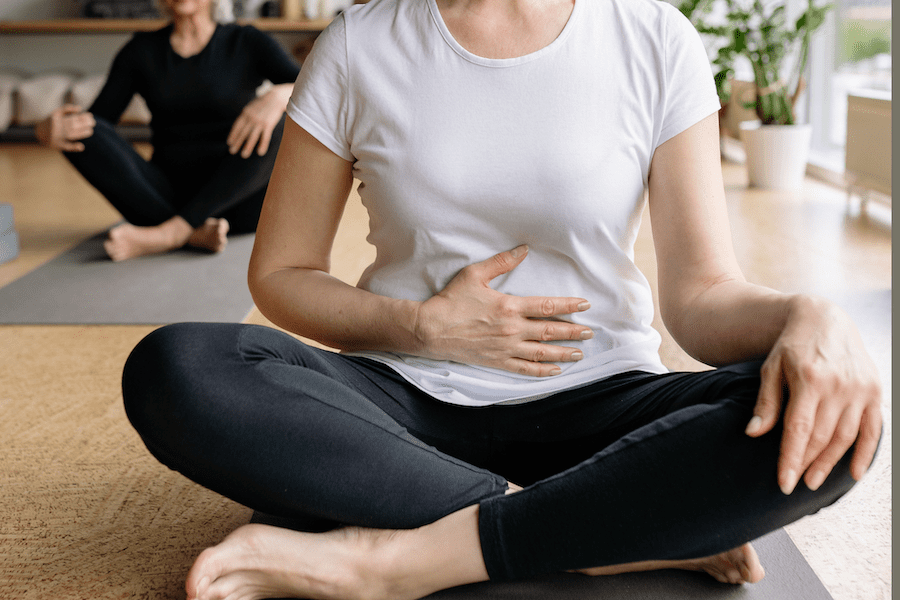
Pelvic floor muscle training is the first-line treatment for stress incontinence and prolapse, and the Urogynaecological Society of Australasia recommends it as the starting point before any other intervention. Generic exercises from a magazine often are not enough, because many women do them incorrectly, bearing down instead of lifting. A vetted pelvic health physiotherapist will assess your individual muscles, usually through an internal examination, then design a program specific to you. Most women notice improvement within 8 to 12 weeks of consistent, targeted exercise. You can find pelvic health physios through our pelvic health directory.
Vaginal oestrogen
If your symptoms include vaginal dryness, painful sex, recurrent UTIs or urinary urgency, vaginal oestrogen is likely to help. It is available as a pessary, cream, gel or ring, works locally with minimal absorption into the bloodstream, restores the thickness and elasticity of vaginal and urethral tissues, and brings back the acidic environment that protects against infection. Despite its effectiveness, it is dramatically under-prescribed. If you have been told you cannot have it, it is worth seeking a second opinion from someone with menopause expertise. Our guide to MHT in Australia covers the options.
Bladder retraining
If urgency is your main problem, bladder retraining gradually extends the time between toilet visits and teaches your bladder to tolerate being fuller. It works best alongside pelvic floor exercises and, if appropriate, vaginal oestrogen, and a continence nurse or pelvic floor physio can guide you.
Pessaries
A pessary is a silicone device inserted into the vagina to support the pelvic organs, like an internal brace for prolapse. It is a non-surgical option that can be life-changing for women who want to stay active, and many wear them for years with excellent results.
Surgery
Surgery for prolapse or incontinence exists and can be effective, but it is not the first step. Most guidelines recommend trying conservative treatment first, and surgery also has the best outcomes when pelvic floor muscle function is optimised beforehand.
What lifestyle changes help?
Medical treatment matters, but daily habits help too.
- Fluid. Too little and your urine becomes concentrated and irritating; too much and you are constantly running to the toilet. Around 1.5 to 2 litres a day, with most earlier rather than close to bedtime, suits most women.
- Bladder irritants. Caffeine, alcohol, artificial sweeteners and fizzy drinks can worsen urgency and frequency, so reducing them often helps.
- Constipation. Straining puts downward pressure on the pelvic floor and can worsen prolapse, so fibre, fluid and movement help.
- Pressure. Carrying extra weight can place more pressure on the pelvic floor, and for some women, reducing that pressure eases symptoms. It is one factor among several, not the whole picture.
- Exercise. High-impact activity can worsen symptoms if your muscles are not strong enough yet, but avoiding exercise entirely leads to muscle loss. A pelvic floor physio can help you find movement that is safe for you right now.
When should I see a doctor?
Do not wait until symptoms are unbearable, because earlier intervention means easier treatment.
- See a pelvic floor physiotherapist for any leaking, urgency, frequency, or a sensation of heaviness or bulging.
- See your GP for recurrent UTIs, new pain during sex, or vaginal dryness affecting your quality of life, and ask specifically about vaginal oestrogen.
- Seek prompt medical attention for blood in your urine, sudden severe pelvic pain, or a complete inability to urinate.
If you have tried generic advice without improvement, a pelvic floor physio, continence nurse or urogynaecologist will give you better answers than general advice can.
How do I find a pelvic floor physio in Melbourne?
Melbourne has a growing number of pelvic floor physiotherapists, continence clinics and menopause specialists who understand the hormonal connection to pelvic symptoms. Our pelvic health directory lists practitioners, and many offer telehealth for initial consultations, which can help if embarrassment is a barrier to that first appointment. For related symptoms, you can also browse the wider Melbourne directory.
This is fixable. You do not have to map every toilet or cross your legs when you laugh. Treatment works, and it starts with knowing that.
Common questions
Does menopause weaken your pelvic floor?
Yes. Declining oestrogen weakens the pelvic floor muscles and thins the tissues they support. Oestrogen receptors are present throughout the vagina, bladder, urethra and pelvic floor muscles, so when oestrogen falls, all of these are affected.
Can you strengthen your pelvic floor after menopause?
Yes. Pelvic floor muscles respond to training at any age, and targeted exercises improve incontinence and reduce prolapse symptoms in postmenopausal women. The key is correct technique and consistency.
What does a pelvic floor physio do?
A pelvic floor physiotherapist assesses the strength, endurance and coordination of your pelvic floor muscles, usually through an internal examination, then designs a personalised exercise program. Treatment typically involves regular appointments over 8 to 12 weeks, plus home exercises.
Is leaking urine normal after menopause?
Common, yes. Normal, no. Incontinence affects many postmenopausal women, but it is a symptom that can be treated, not an inevitable part of ageing. Most women improve significantly with pelvic floor physiotherapy.
What is genitourinary syndrome of menopause (GSM)?
The term for the collection of symptoms affecting the vulva, vagina, bladder, urethra and pelvic floor caused by declining oestrogen: vaginal dryness, painful sex, urinary urgency and frequency, recurrent UTIs, and pelvic floor weakness. Unlike hot flushes, GSM does not improve on its own.
Can vaginal oestrogen help with pelvic floor problems?
Yes. It restores thickness and elasticity to the vaginal and urethral tissues, improves lubrication, and can reduce urgency, frequency and recurrent UTIs. It is often prescribed alongside pelvic floor physiotherapy.
For a complete guide to symptoms and where they come from, see our perimenopause symptoms guide. For treatment options, explore our treatment and relief guide. The Australasian Menopause Society also publishes reliable patient information on genitourinary symptoms.

Author: Menopause Resource Hub
Menopause Resource Hub connects Australian women with specialists, clinics, and support networks that truly understand perimenopause and menopause. Whether you’re looking for medical guidance, wellness support, or community, we’re here to help you find it.